
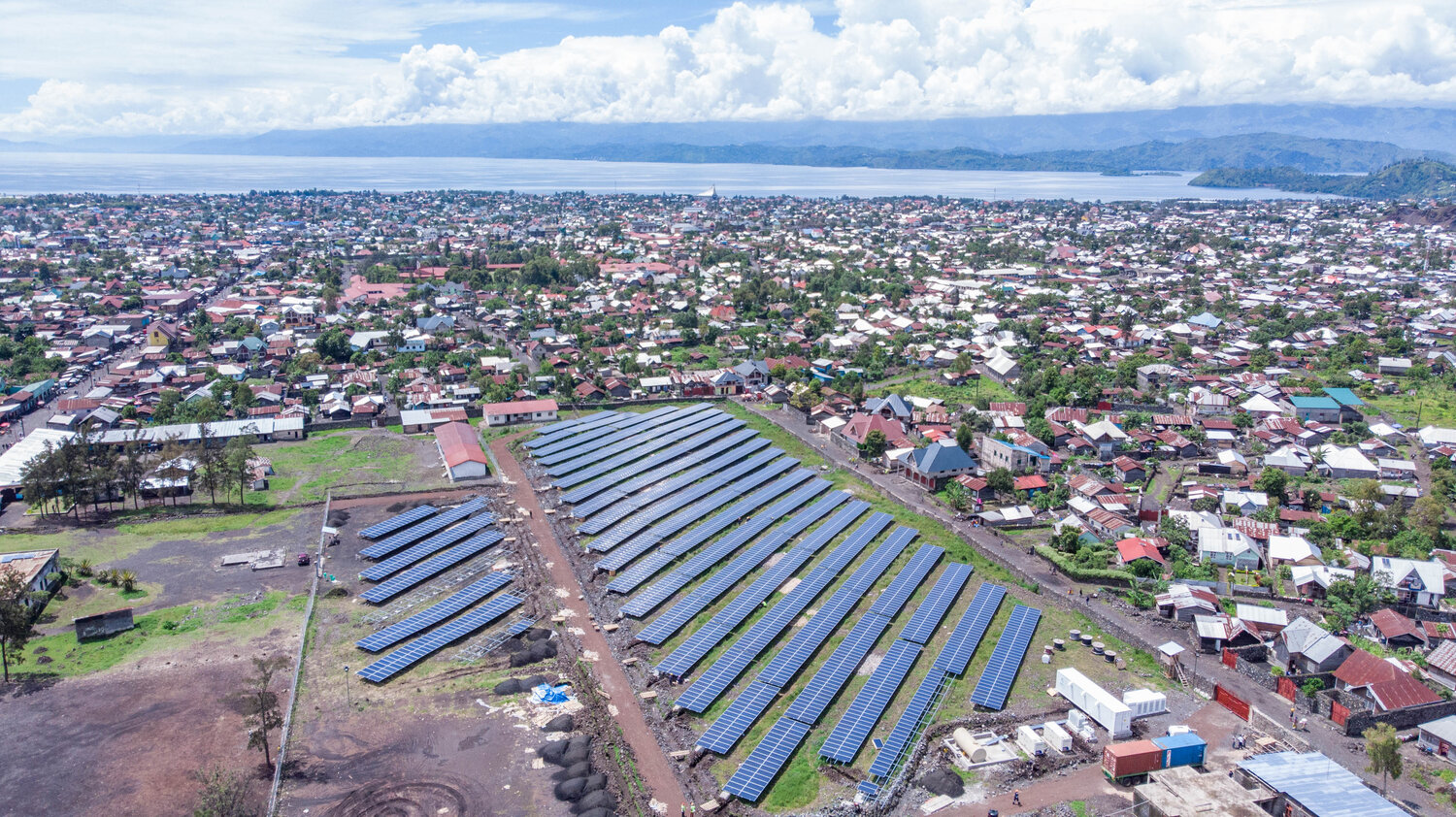
The DRC is now the biggest food security crisis in the world, with over 27 million people facing severe or acute food insecurity. Some areas, like Tanganyika province, are facing extreme food insecurity, bordering on a level where preventable deaths related to famine and starvation are likely to occur.
For decades, one of the world’s deadliest, longest-running crises has been unfolding in the Democratic Republic of Congo. Yet you’ve probably heard almost nothing about it.
The scene for one of the worst-ever civil wars in African history, the Democratic Republic of Congo has moved from the national conflict of the late 1990s to a series of smaller, localised conflicts focused in specific regions and centred on land, resources, and power. On a continent that has the most displaced people in the world, the DRC is the country with the most displaced people, with nearly 5.5 million people away from home.
Crisis is not new in this country, but the nature of its particular humanitarian emergency has changed over time. Here are 5 things to know about the current DRC crisis as we end 2022 and enter 2023.
The DRC is one of the world’s poorest countries, but has one of the largest reserves of potential wealth
Paradoxically, the DRC’s potential wealth is vast. The country has nearly 200 million acres of cultivable land. It’s also home to large reserves of diamonds, gold, copper, cobalt, zinc, and coltan, which is used in mobile phones and other electronics.
Despite these economic advantages, DRC is one of the world’s poorest countries, ranking 175 of 189 on the 2021 UN Human Development Index, with 73% of its population living in extreme poverty. The roots of this paradox lie in centuries of exploitation and violent plundering by colonisers, leaders, private interests, neighbouring countries, and internal warring factions.
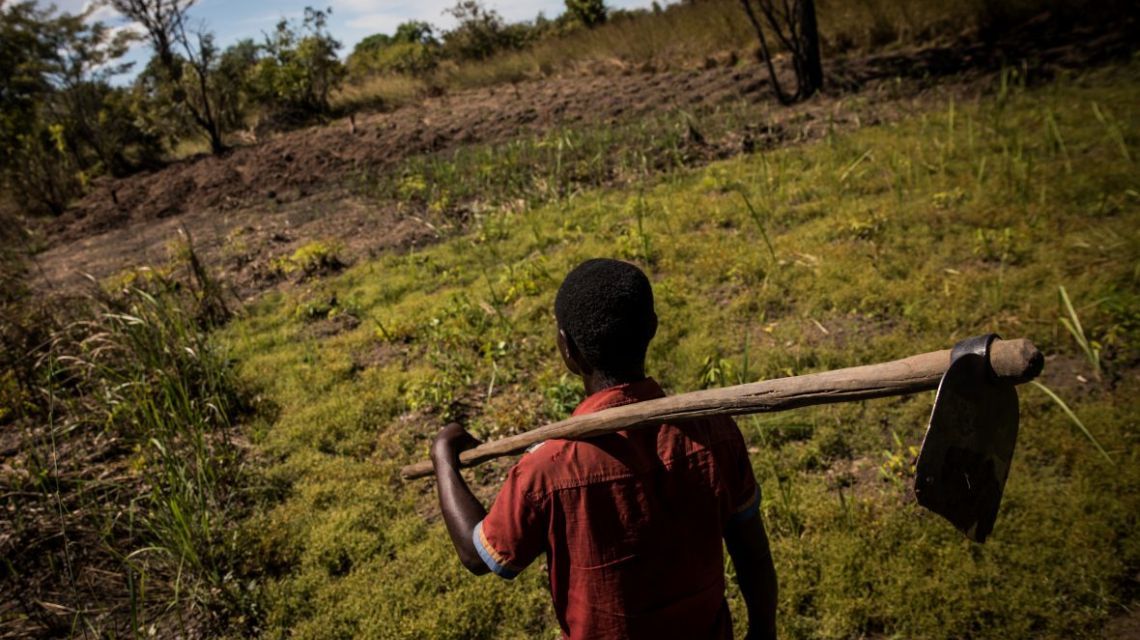
Sporadic waves of fighting across many parts of the country make the DRC a complex and challenging humanitarian situation. Over 5 million Congolese people are internally displaced within the country, representing the third largest population of internally displaced people (IDPs) in the world. In the first half of 2020 alone, there were an estimated 1,427,000 new displacements associated with conflict.
More than half of the country — a figure as high as 50 million — lacks access to clean water. This is especially worrying in the face of several epidemics in recent years including the world’s second-largest Ebola outbreak, measles, malaria, and cholera. The country is now grappling with COVID-19, as well as another increasingly severe epidemic: hunger.
Renewed armed conflict continued in 2021 to significantly disrupt livelihoods in several regions of the DRC. COVID-19 measures and the virus itself also had a significant impact on food prices, and country-wide economic decline has decreased the purchasing power of households. The DRC is now the biggest food security crisis in the world, with over 27 million people facing severe or acute food insecurity. Some areas, like Tanganyika province, are facing extreme food insecurity, bordering on a level where preventable deaths related to famine and starvation are likely to occur.
Attacks were carried out by various armed groups in the Democratic Republic of the Congo in 2021 and 2022. The attacks have killed 629 and injured 321 (not including rebel casualties). At least 82 perpetrators were also killed and one injured in these attacks.
Throughout the conflict, rebel troops have carried out raids and massacres across the DRC, resulting in heavy civilian casualties
Intensified conflict between the Congolese army and non-state armed actor “M23” in Rutshuru territory in North Kivu province has displaced approx. 23,000 people since 20 October 2022. In total, almost 400,000 people are now displaced in Rutshuru. Many thousands have fled across the border into Uganda.
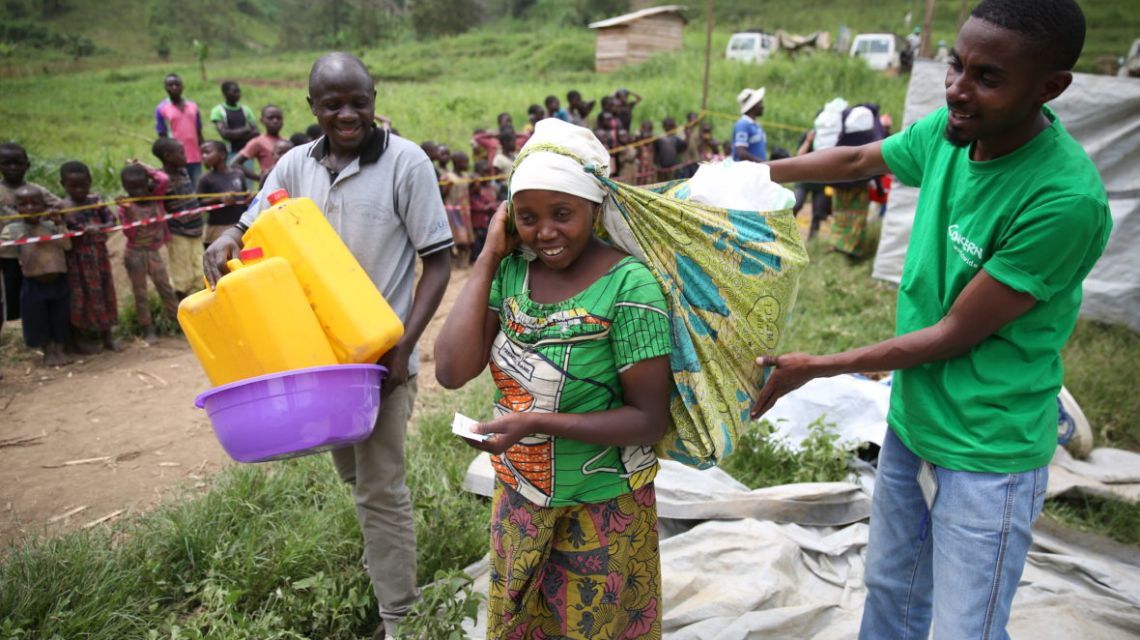
Humanitarian aid organizations continue to provide food, health, water and hygiene assistance to the displaced. Legacy Of Love has joined this movement to bring humanitarian aid to the people of North Kivu. Our Office is based in Goma,

